 Spork Marketing
When you’re chasing lap times, brake pads are just as important as tires, suspension, or power. Track pads face brutal conditions: repeated 1,000°F heat cycles, aggressive pedal pressure, and the demand for consistent bite corner after corner. But what actually goes into making a true track-capable pad? And how do brands like Hawk, EBC, DFC, and PowerStop approach performance pad construction?
Let’s pull back the curtain.
How Automotive Track Brake Pads Are Made
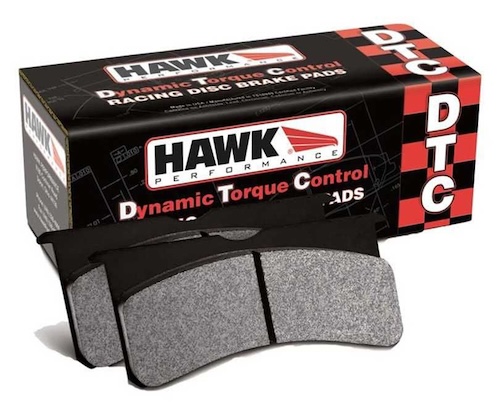
1. Selecting the Friction Formula
Track pads start with choosing a friction recipe designed for durability and heat resistance. These formulas typically blend:
- Metallic fibers (steel, copper substitutes) for high-temp stability
- Ceramic or carbon particles for modulation and fade resistance
- Organic binders and resins to hold it all together
- Friction modifiers to fine-tune bite, noise, dust, and pedal feel
The exact blend is heavily guarded by each manufacturer – this is where the ‘secret sauce’ lives.
2. Mixing & Cold Pressing
Raw materials are precisely weighed, mixed, and fed into molds. Under several tons of pressure, the mixture is cold-pressed into what becomes the pad’s friction block. This step shapes the pad before curing.
3. Hot Pressing or Curing
Track pads require extreme thermal durability, so they undergo heat curing or hot pressing:
- Hot pressing fuses materials at high heat and pressure.
- Oven curing slowly bakes the block, creating a dense, stable structure.
This is where a pad’s heat tolerance and friction characteristics become locked in.
4. Backing Plate Bonding
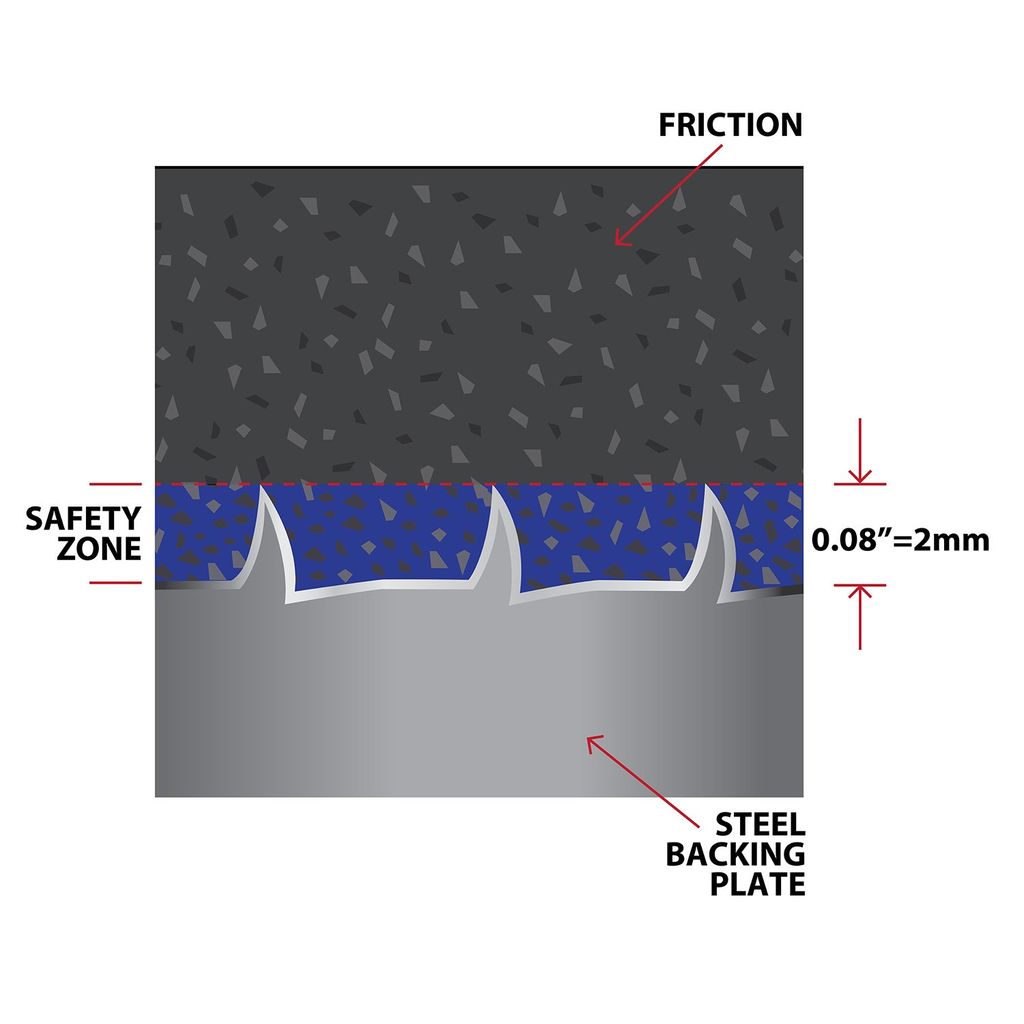
The cured friction block is then bonded to a steel backing plate using:
- High-temperature adhesives
- Mechanical retention hardware (hooks, integrally molded features)
- Robotic welds or rivets for specific designs
The bond must survive temperatures that routinely exceed 1,200°F on track.
5. Scorching & Post-Cure
Most performance pads are scorched – flash-heated to burn off surface resins. This:
- Speeds up bed-in
- Reduces early fade
- Creates a more consistent initial bite for track sessions
6. Slotting, Chamfering & Finishing
To reduce noise and improve wear characteristics:
- Chamfers prevent edge crumbling
- Slots allow gas release
- Surface grinding gives uniform thickness
Every pad set is then inspected and measured before packaging.
How Major Brands Do It Differently
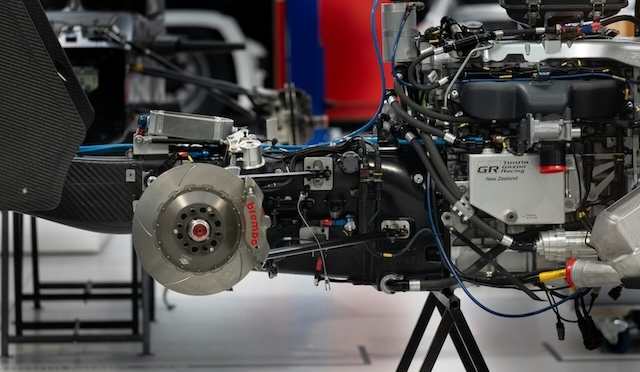
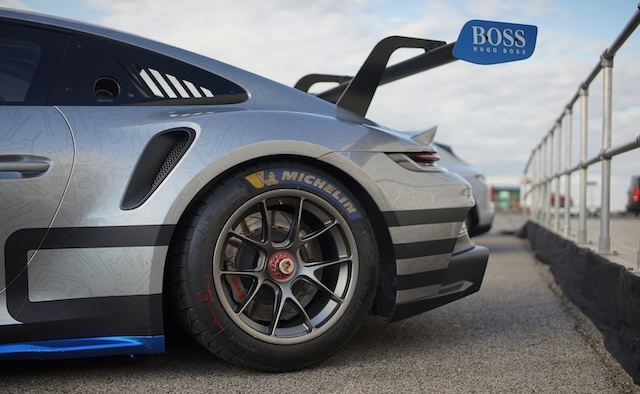
Hawk Performance
Hawk is known for their high-density ferro-carbon formulas. Their track pads (like DTC-60, DTC-70) use:
- Pressure-molded ferro-carbon compounds for extreme fade resistance
- Very high friction levels for heavy braking
- Rugged bonding tech for sustained 1,300°F track loads
Hawk’s process focuses on maximizing durability under repeated high-energy stops – ideal for road racing, time attack, and heavier performance cars.
EBC Brakes
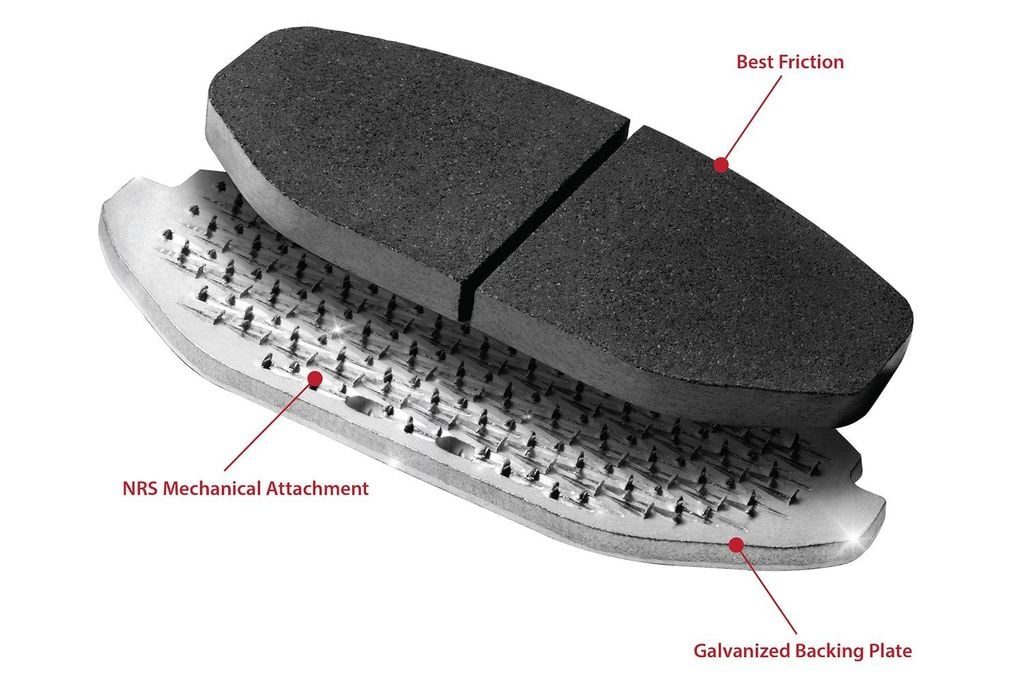
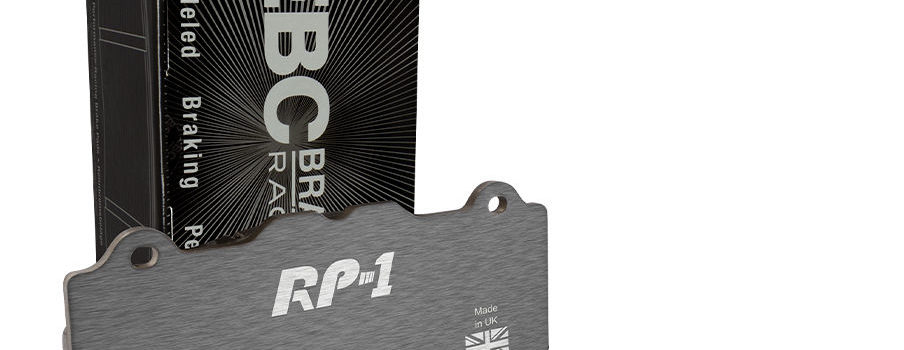
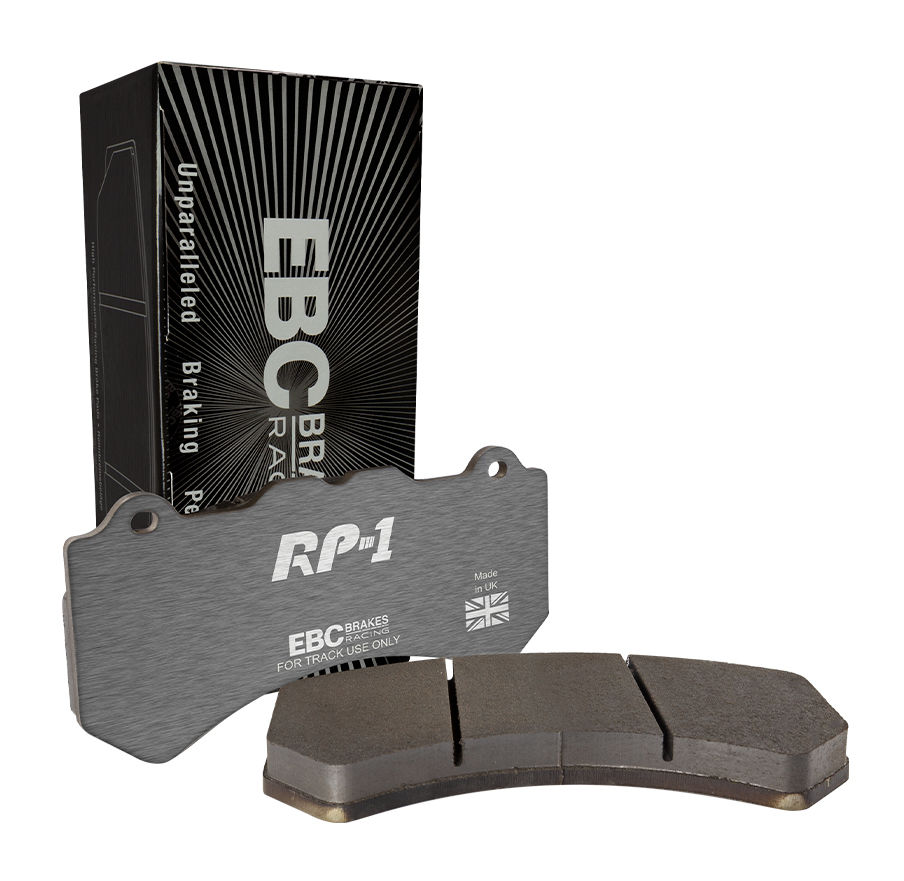
EBC manufactures all their pads in-house in the UK or USA. Their RP-1 and RP-X track pads use:
- Carbon-based semimetallic formulas with low compressibility
- Deep scorching for ultra-fast bed-in
- British-made Nucap NRS mechanical back-plate technology
They’re known for consistent pedal feel, low vibration under heat, and excellent modulation. EBC’s closely controlled in-house manufacturing gives them tight quality control.
DFC (Dynamic Friction Company)
DFC focuses on modern, consistent, repeatable friction. Their track/performance offerings:
- Use advanced ceramic-metallic blends
- Are manufactured with positive molding for consistent density
- Include OE-style noise-reducing hardware
DFC leans toward fast warm-up, predictable friction, and excellent heat cycling – good for HPDE drivers who need a capable pad without going to a full race-only compound.
PowerStop
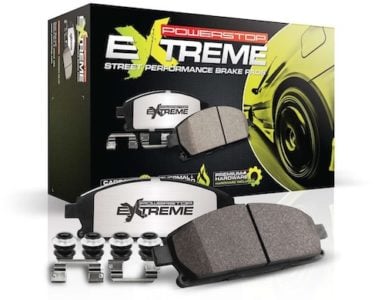
PowerStop’s performance compounds (Advanced Track Day Spec) are designed as approachable, budget-friendly track options. Manufacturing includes:
- Carbon-fiber metallic formulas
- Thermally stable binders for repeated hot laps
- A focus on consistent bite across a broad temperature range
They’re known for being easy to drive, easy to bed, and easier on rotors compared to ultra-aggressive race compounds – perfect for weekend warriors or dual-purpose builds.
Choosing The Right Brand For Your Track Day

Each brand builds pads differently – and each chooses unique materials and manufacturing methods to tailor their pads to specific types of drivers.
Hawk – Hardcore track compounds, high heat tolerance, big bite.
EBC – Precision-manufactured, consistent pedal feel, premium materials.
DFC – Balanced performance and control, great for HPDE and fast street.
PowerStop – Affordable, approachable track performance for enthusiasts stepping up.
Ready to find the perfect track pads for your ride? We stock a wide range of track pads, brake rotors, pad and rotor kits, and big brake kits and more – for every type of driving situation, on and off-track.
We bring decades of hands-on automotive experience to the table. If you’re unsure which track pad options are right for you, contact our brake experts – we’re happy to help.

 Rick Carlton