 Spork Marketing
When it comes to racing, brakes are every bit as critical as horsepower. Track and racing brake pads are designed very differently from standard consumer brake pads. The materials, construction methods, and finishing processes are all engineered for one purpose: maximum stopping power under extreme conditions.
Racing brake pads are engineered for heat resistance, durability, and precision – qualities that set them apart from everyday street pads.
What Are Racing Brake Pads Made Of?
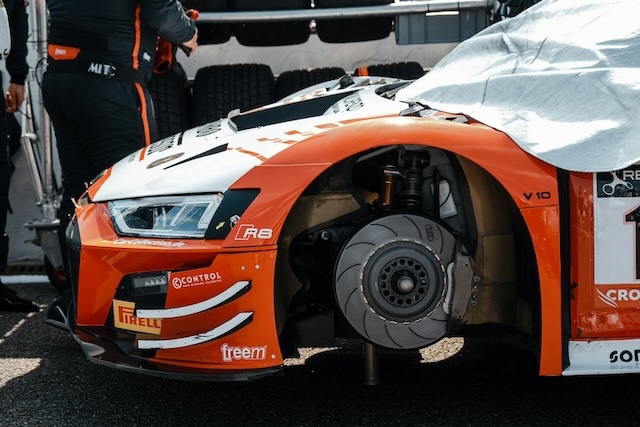
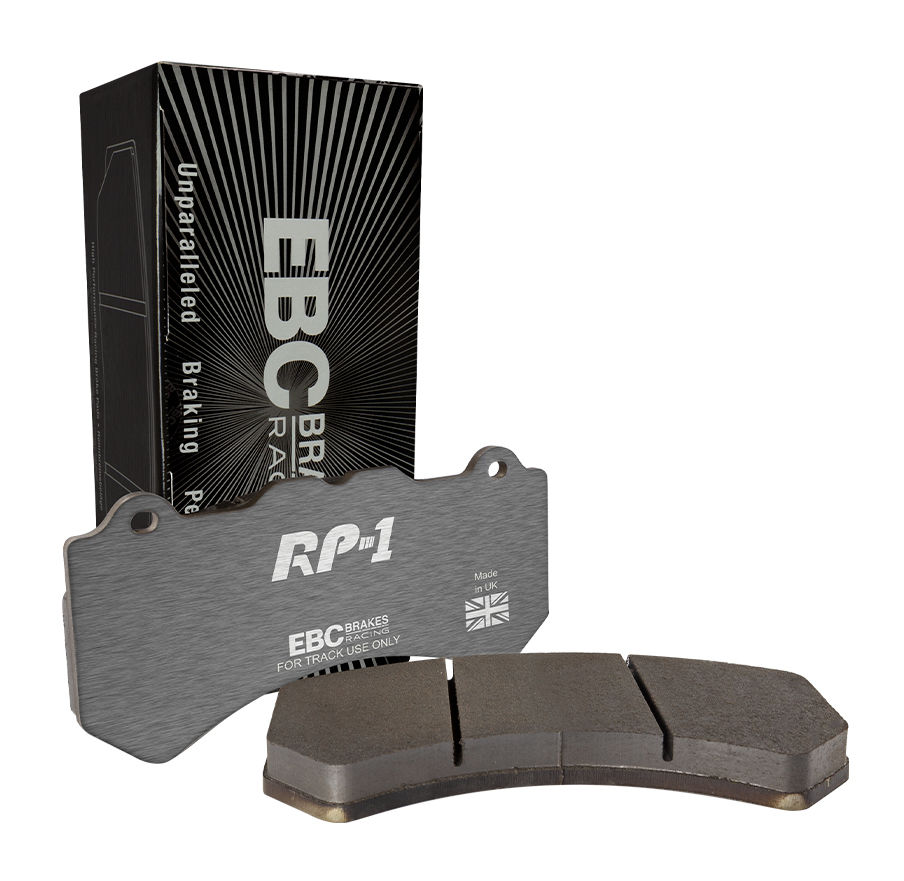
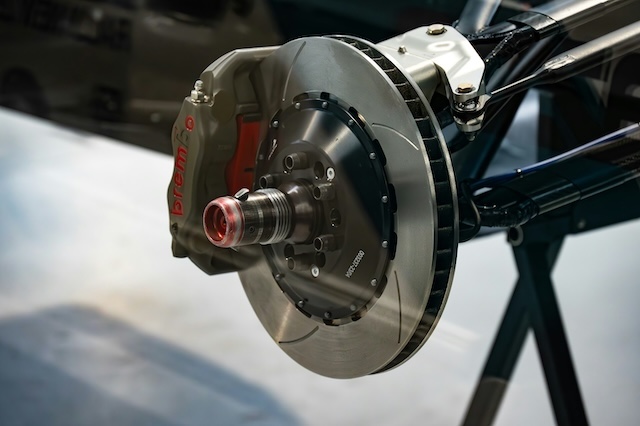
Racing brake pads use specialized hybrid compounds that deliver consistent performance at high speeds and temperatures.
- Fillers and modifiers are blended to create friction surfaces that maintain grip under heavy load.
- These compounds are layered across a thermal barrier, reducing the risk of caliper damage and preventing brake fluid boil-over.
- Each layer is designed to withstand extreme heat cycles, ensuring reliability lap after lap.
How Are Racing Pads Constructed?
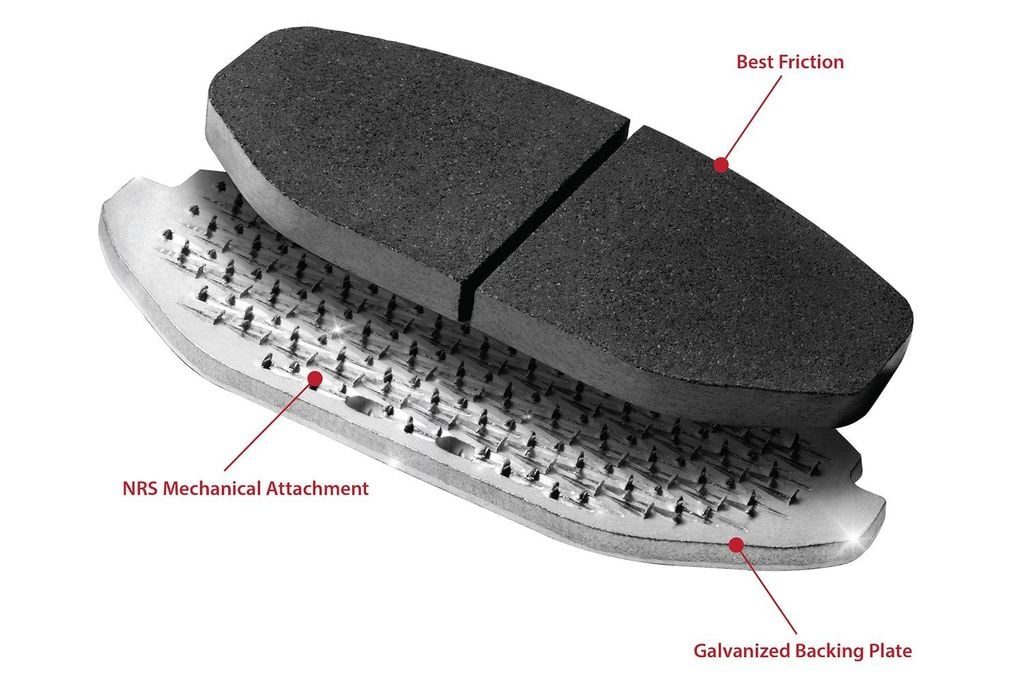
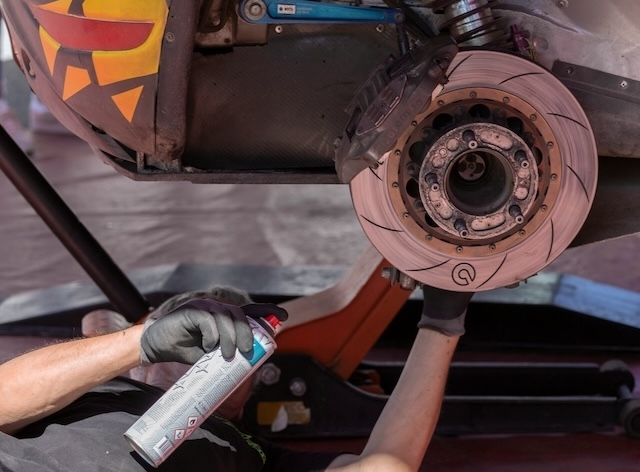
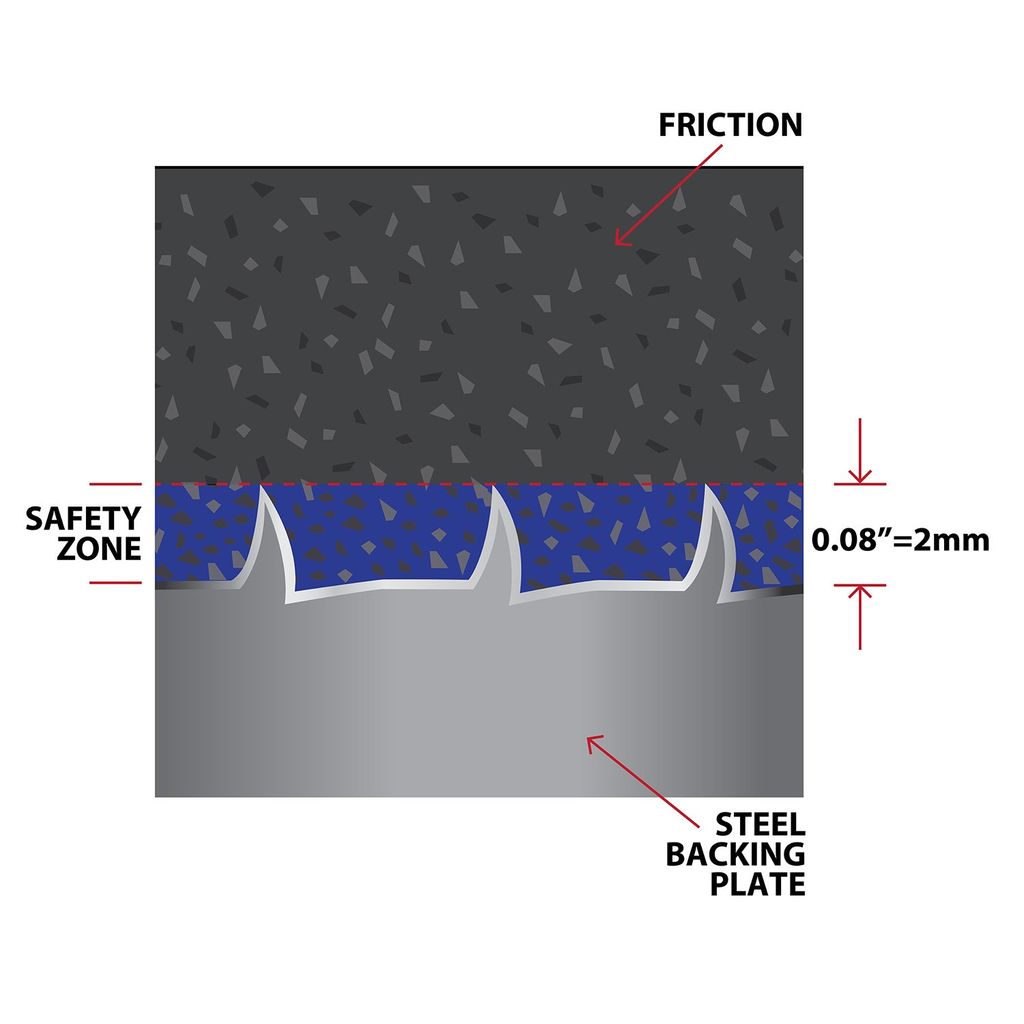
The assembly of track and racing pads is as important as their material composition:
- Pads are bonded to a metal backing plate using adhesives and sometimes micro-studs to prevent delamination.
- Manufacturers often cut expansion grooves into the friction surface, reducing cracking and allowing for controlled heat expansion.
- Pads are typically scorched in production to burn off excess resins and chemicals, reducing outgassing that could interfere with braking performance.
Scorching ensures that racing pads deliver strong friction from the very first use. Check out our deep dive on the track pad production process here.
Racing Pad Material Types
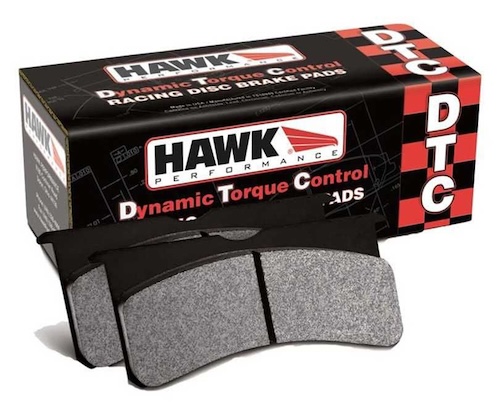

The material construction of racing brake pads sets them apart. Let’s explore the pros and cons of the various materials racing pads are constructed from:
Semi-Metallic Brake Pads
Pros:
- Excellent stopping power, especially in cold conditions
- Good heat dissipation, reducing brake fade
- Durable and long-lasting
- Generally more affordable than ceramic or carbon pads
Cons:
- Louder than ceramic pads (can squeal under pressure)
- Produce noticeable brake dust
- Can cause faster rotor wear
Carbon Brake Pads
Pros:
- Outstanding performance under extreme use
- Very resistant to brake fade
- Extremely lightweight, reducing unsprung mass
- Long lifespan in racing applications
Cons:
- More expensive compared to other pad types
- Require high temperatures to work effectively (not great for street use)
- Can feel “cold” until warmed up
Ceramic Brake Pads
Pros:
- Quiet operation with minimal noise
- Produce very little dust, keeping wheels cleaner
- Stable braking performance across a wide temperature range
- Gentle on rotors, reducing wear
Cons:
- More expensive than semi-metallic pads
- Less suited for extreme racing conditions
Race-Ready Brake Pads
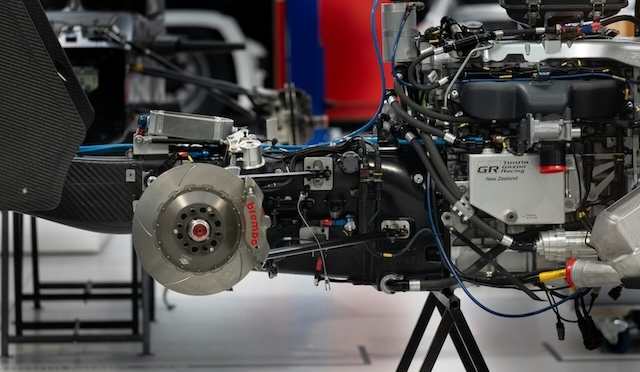
If you’re looking to upgrade to a performance setup, we carry a variety of trusted brands to help you find the pads that perfectly match your driving style, including:
- EBC Racing Brake Pads – known for high-friction racing compounds.
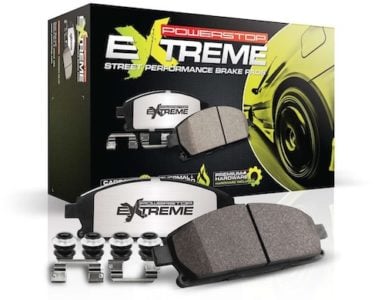
- PowerStop Track Day Pads – engineered for affordability and performance.
- DFC Premium Performance Pads – balanced performance for street-to-track builds.
How Much Do Racing Brake Pads Cost?
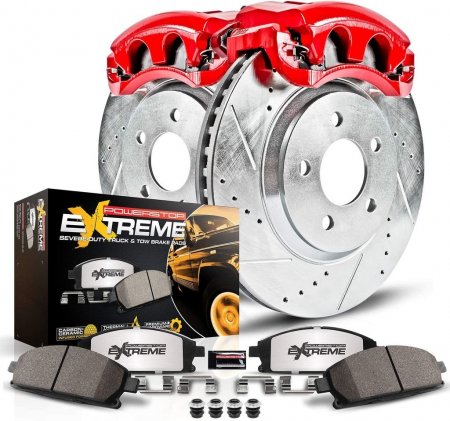
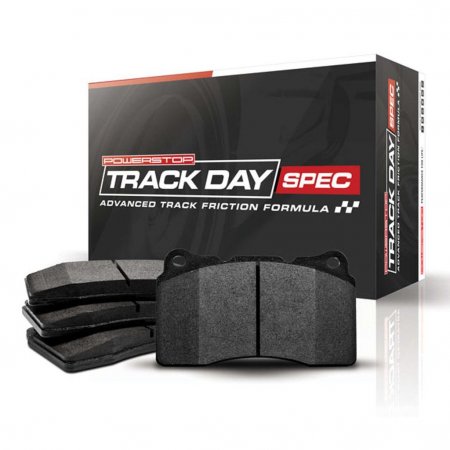
Pricing varies by brand, application, and whether you’re buying pads only or a full brake kit. Check out the links below to learn more about a few of our most popular race pad offerings:
| Brand & Pad Set | Usage |
| PowerStop Advanced Track Day Pads | Street and track events |
| DFC Track Day Pads | Performance street, street/track events |
| EBC Yellowstuff Racing Pads | Performance street, street/track events |
Can I Change My Own Brake Pads?
Yes! Even with basic mechanical knowledge, you can replace your own brake pads. Many racing enthusiasts perform this upgrade at home.
You’ll need some basic tools like jacks and jack stands, a lug wrench, a socket and ratchet set, C-clamp or brake piston tool and a torque wrench.
If you are upgrading to a high-performance setup, it is important to change your pads and discs at the same time. Installing new racing pads on worn or non-performance discs can lead to uneven contact, reduced stopping power, and faster pad deterioration.
Replacing both components together ensures optimal friction, balanced braking performance, and maximum safety, especially under the extreme heat and pressure of racing or spirited driving. Check out these links to browse some of our best-selling racing pad and disc combos:
Racing And Track Pads From BuyBrakes.com
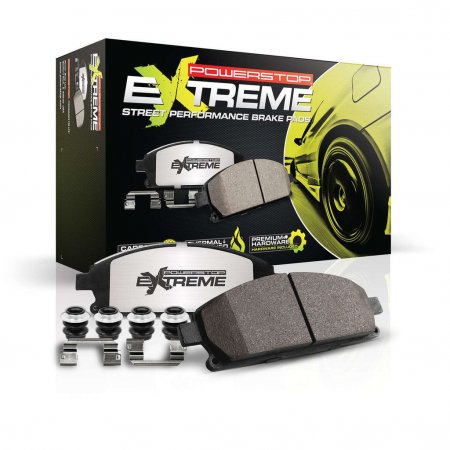
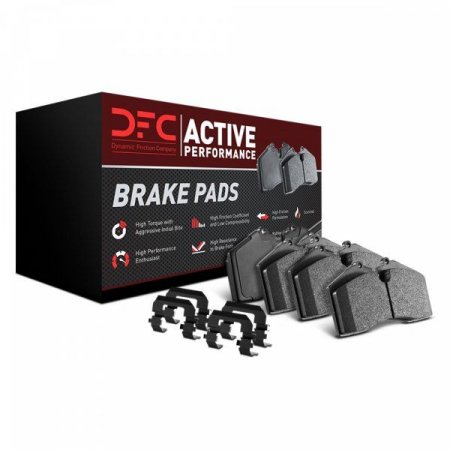
We stock a wide range of racing brake pads from top manufacturers and always strive to deliver the best possible safety, reliability, and performance. Order your brake pads from BuyBrakes.com for:
- A Broad Range Of Top Brake Brands: We carry the best brands for almost any make or model.
- Nationwide Warehousing: Fast delivery – even cross-country. With free shipping on orders over $99 in the lower 48 states.
- Lowest Prices Guarantee: We guarantee the lowest price on everything we sell.
- No Hassle Returns: Satisfaction is guaranteed with a no-hassle return on every order.
As a veteran-owned business, we bring decades of hands-on automotive experience to the table. If you’re unsure which racing brake pad upgrades are right for you, contact our brake experts and get the best parts at the best prices. Guaranteed.

 Rick Carlton