 Rick Carlton
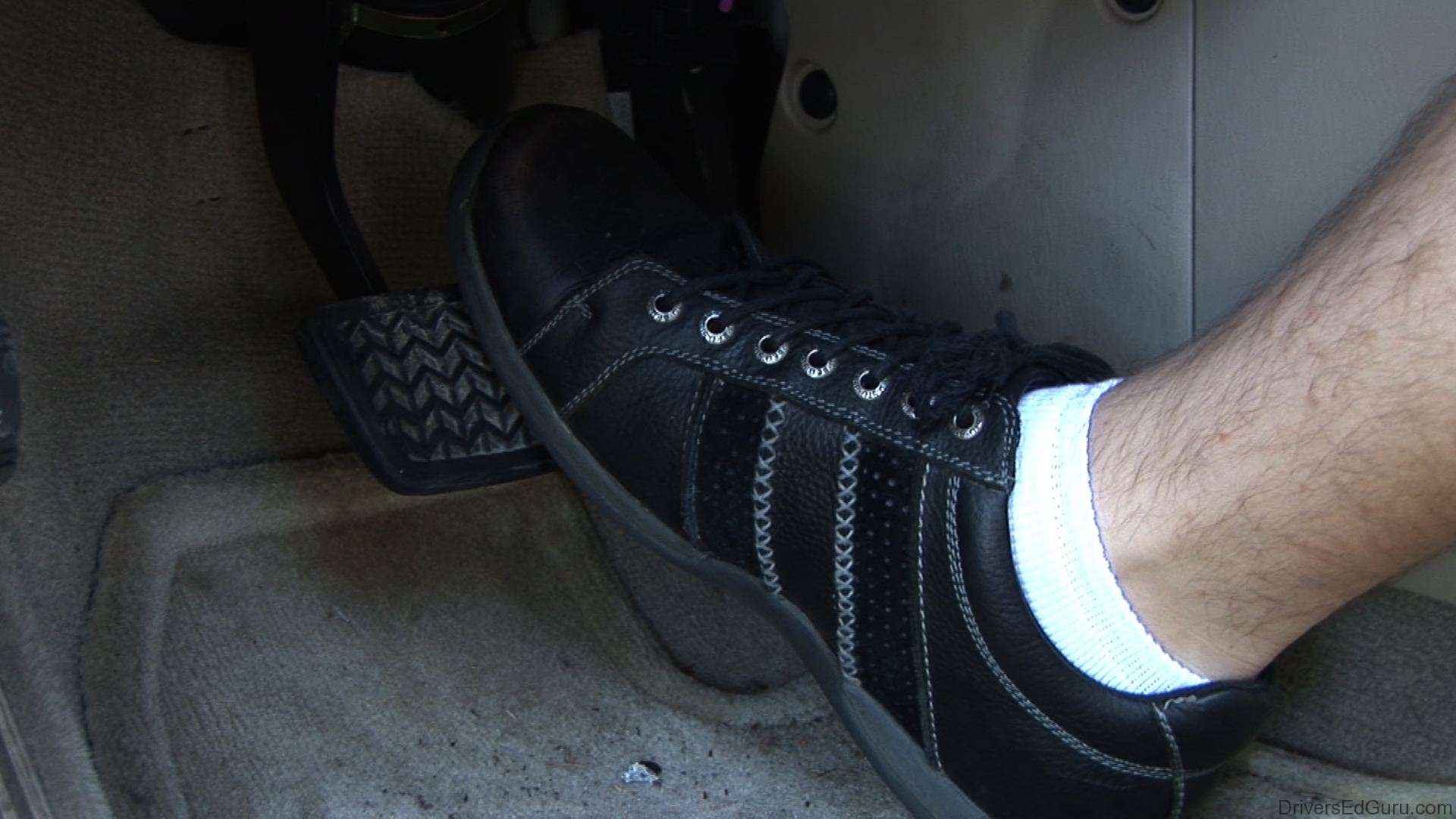
Few things are more unsettling for a driver than pressing the brake pedal only to have it sink to the floorboard without resistance. Your braking system is a closed hydraulic circuit; any deviation from a firm, consistent feel is a clear sign that there is something wrong with one or more of the braking components.
Understanding how to diagnose the cause of a soft brake pedal is the first step in getting it repaired and keeping you safe on the road.
Recognizing the Symptoms of a Failing Brake Pedal
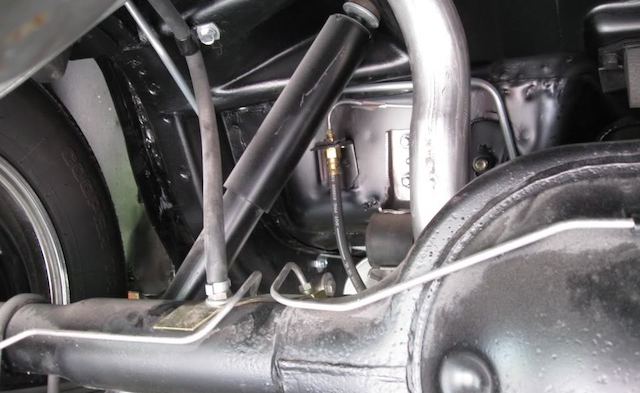
Image Credit: Stangnet 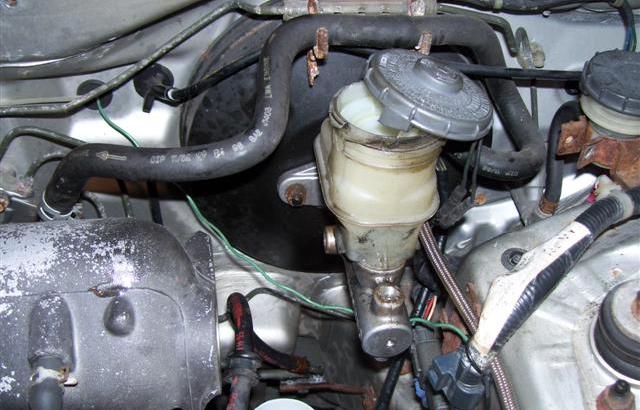
Image Credit: Lukekailburn
Not all pedal-to-the-floor scenarios feel the same. Identifying the specific behavior of your brakes can help narrow down the culprit before you even start checking the brake system.
- That Sinking Feeling: You come to a stoplight and hold the pedal down, but it slowly creeps toward the floor while you are stationary. This often indicates an internal leak in the brake master cylinder.
- Sponginess After Hard Driving: If your brakes feel fine initially but become soft after aggressive driving or descending a mountain, you may be experiencing brake fade or boiling brake fluid.
- The ‘Pump Up’ Effect: If the first press goes to the floor, but the second or third press feels firm, there is likely air in the brake lines or your brake shoes/pads are severely out of adjustment.
- Total Loss of Pressure: If the pedal drops instantly with zero resistance, you are likely dealing with a serious fluid leak or a complete mechanical failure of a seal.
Common Reasons for Low Brake Pressure

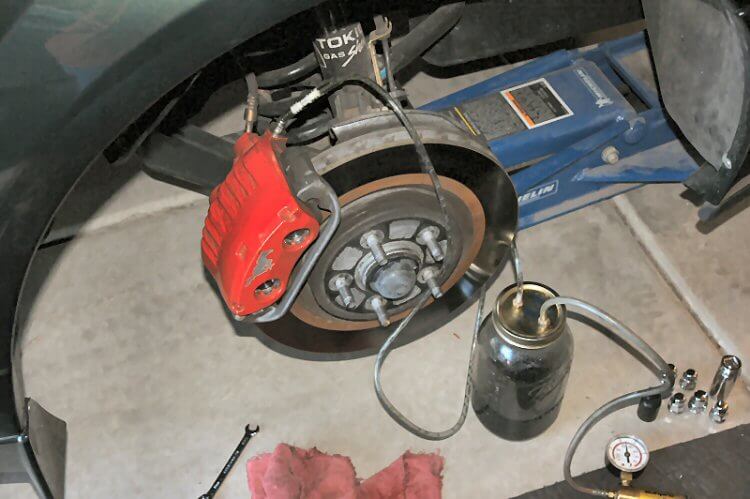
Modern braking systems are robust, but they rely on a perfect vacuum and pressurized fluid to function. When that seal is broken, the system is compromised.
- External Fluid Leaks: Puddles of amber or clear fluid near the wheels or under the engine bay are tell-tale signs. Leaks often occur at brake hoses, calipers, or wheel cylinders.
- Air Intrusion: Air is compressible, whereas brake fluid is not. If air enters the system – even a tiny bubble – it will compress when you hit the brakes, resulting in a spongy brake pedal.
- Failing Master Cylinder: This is the heart of the system. If the internal rubber seals fail, fluid will bypass the piston, preventing the system from building pressure even if there are no visible external leaks.
- Contaminated Brake Fluid: Over time, brake fluid absorbs moisture from the atmosphere. This lowers the boiling point, leading to vapor lock and a soft pedal during high-heat conditions.
How to Find the Source of the Soft Brake Pedal
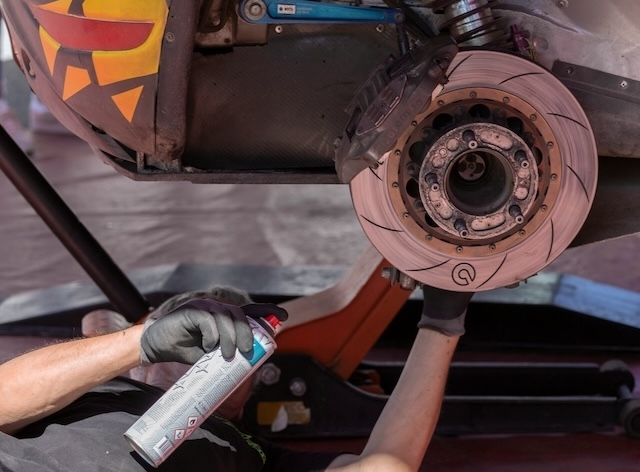
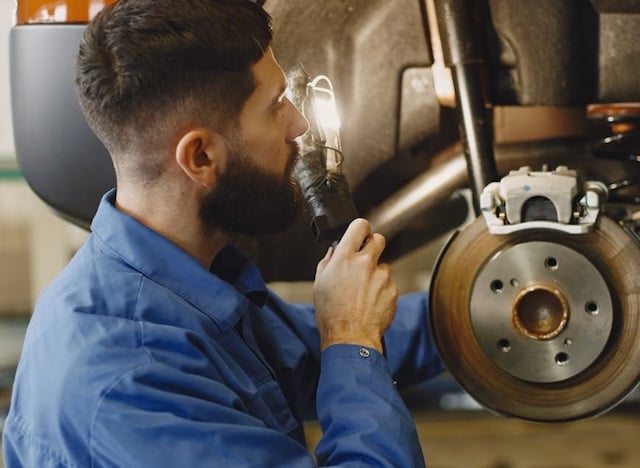
So, your brake pedal feels soft and you have a good idea of what could be causing it; now it’s time to find the source of your problems. Locating a fault in a brake hydraulic system requires a systematic approach.
Even if you are certain of the cause, it’s best to start at the top and work your way down to the wheels. This way you may also identify other issues before they become a safety hazard.
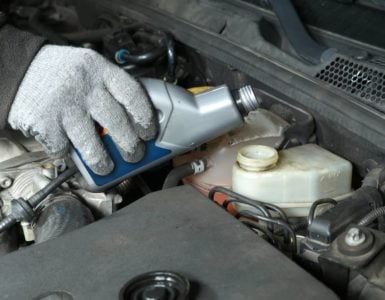
- Inspect the Master Cylinder: Check the fluid level in the reservoir. If it’s low, you have a leak. If the fluid is dark or murky, it’s time for a flush, as it can easily boil over in aggressive driving. Look for weeping fluid where the cylinder bolts to the brake booster.
- Examine Brake Lines and Hoses: Inspect the rubber brake hoses leading to your calipers. Over time, these can become brittle or balloon under pressure. Look for wet spots or cracks in the rubber.
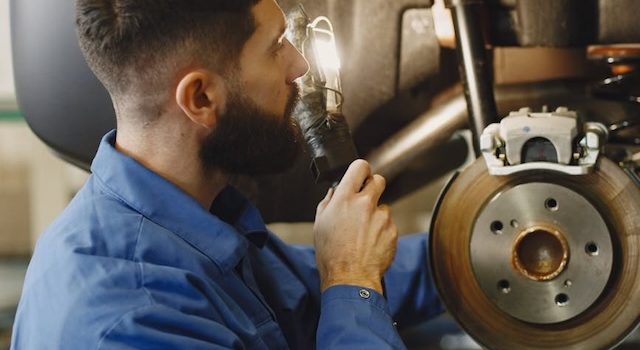
- Check the Calipers and Wheel Cylinders: Remove the wheels and inspect the calipers for signs of leakage or damage. On some vehicles the rear brakes may be of the drum type, and you’ll need to remove the brake drum cover to see if there is any damage to the brake shoes or springs inside the unit. Brands like DFC offer high-quality replacement hardware if you find these components are seized or leaking.
- The Pump Test: With the engine off, pump the brakes several times. The pedal should become very firm. If it doesn’t, or if it sinks while you maintain pressure, the master cylinder is likely faulty.
Restore Your Stopping Power With BuyBrakes.com
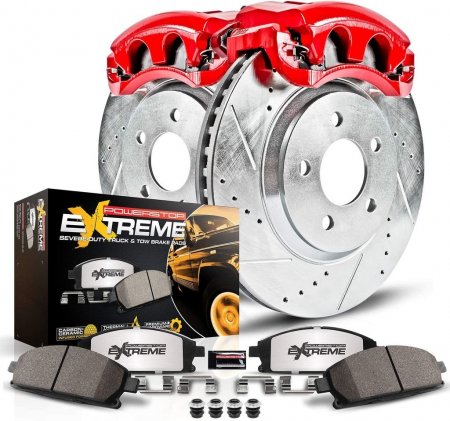

Fixing a soft brake pedal requires a bit of fault finding, and high-quality replacement components that are built to last. Whether you need to replace a failing master cylinder or upgrade your entire system to prevent future brake fade, BuyBrakes.com has what you need.
For those looking for long-lasting reliability and dependable performance, look no further than high-quality replacements from our trusted brands like DFC, PowerStop, or EBC. Check out our full catalog of brake parts by following the links below:
- Brake Kits – Rotors and Pads
- Brake Drums and Shoes
- Brake Repair Kits
- Master Cylinders
- Brake Lines
- Brake Fluid
At BuyBrakes.com, we make it easy to find the exact parts you need and stock a full range of brake-related parts from the most trusted brands. Contact us today or order online and banish that sinking feeling when you next press your brake pedal!